Maize
Land suitability, seed selection, plant population, soil fertility, weed management, quality and aggregation.
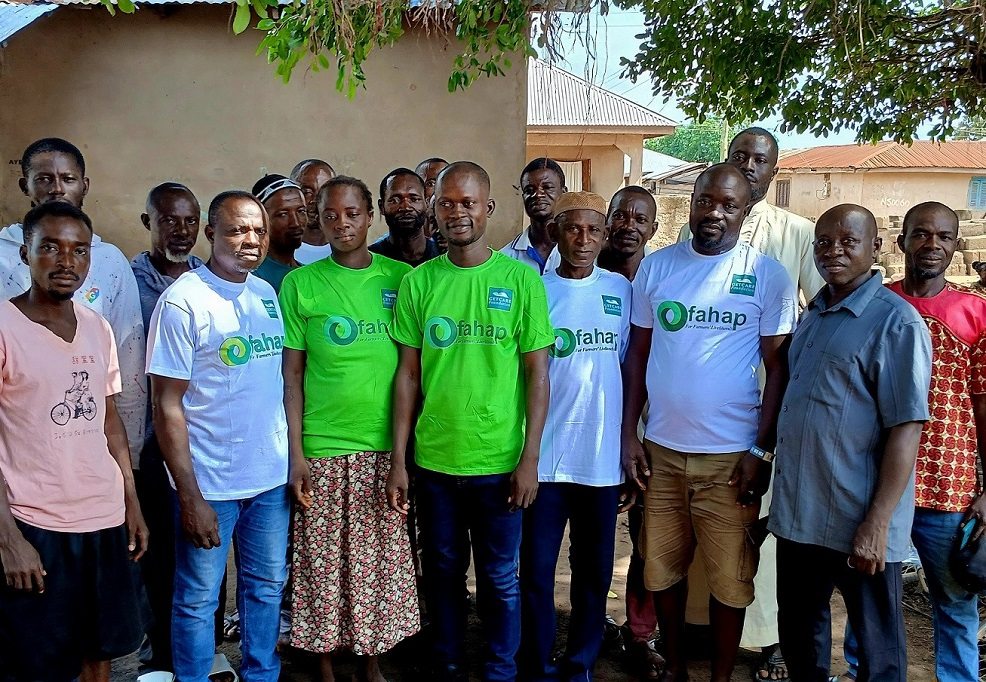
FAHAP connects smallholder producers with the knowledge, services, markets and digital coordination needed to build resilient agricultural livelihoods.
Farmer assessment · Crop plans · Field services · Market readiness · Accountable records
FAHAP — Farming Against Hunger and Poverty — is designed around a simple principle: farmers need more than one-off inputs. They need coordinated production support, dependable services, information, commercial pathways and institutions that can grow with them.
Our approach brings farmer mobilisation, farm and water assessment, crop-specific production planning, Good Agronomic Practices, labour and service coordination, harvest preparedness and buyer engagement into one delivery framework.
Implementation is tailored to local agroecology, available infrastructure, market demand and the responsibilities agreed with participating farmers.
Our crop portfolio spans food staples, legumes, vegetables and perennial crops. Not every crop is active in every location; seasonal plans are approved according to site conditions and commercial opportunity.
Land suitability, seed selection, plant population, soil fertility, weed management, quality and aggregation.
Water and land preparation, crop establishment, field nutrition, harvest timing and post-harvest quality.
Climate-responsive crop choices, seasonal management, grain quality and structured market participation.
Suitable varieties, planting windows, soil health, appropriate inoculation and clean, market-ready grain.
Crop health, pest monitoring, harvesting, drying and safe storage for household and commercial value.
Nursery and establishment plans, water management, safe pest control, frequent field monitoring and market scheduling.
Producer organisation, orchard management, post-harvest handling, aggregation and transparent market linkages.
Site-specific orchard management, environmental stewardship, quality standards and longer-term market development.
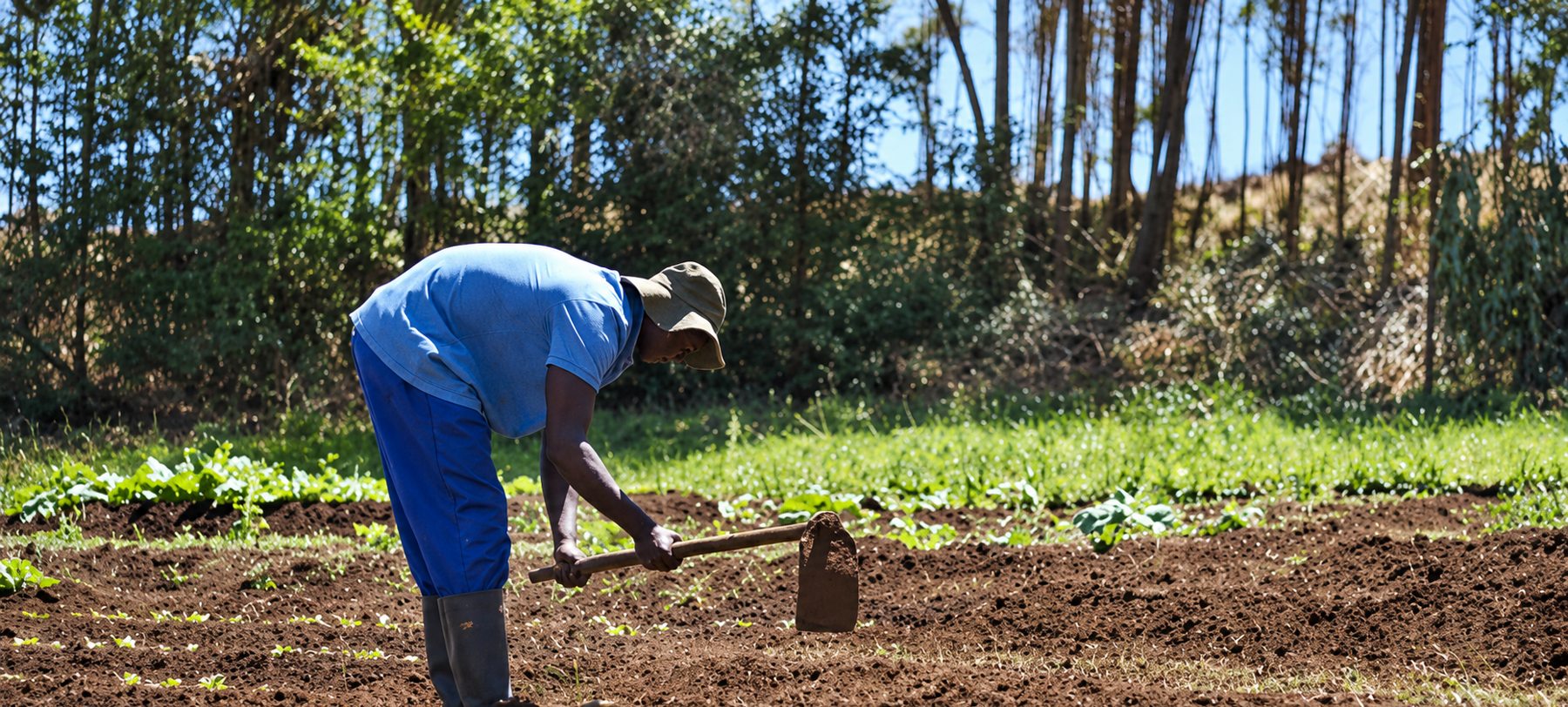
Strong harvests begin with practical decisions: knowing the plot, selecting suitable crops, establishing plants correctly, managing water and soil, and responding early to pests and crop stress.
FAHAP One connects farmer records, farm assessments, seasonal production planning, field coordination and service delivery within one digital programme management platform.
Registration, land records, crop capacity and field assessments.
Separate plans and cost schedules for each crop within a season.
Nursery, inputs, labour, irrigation, field work and technical supervision.
Authorised observations, crop progress and photo or location records.
Expected and recorded harvest, buyer coordination and produce quality.
Farmer contributions, service charges and agreed end-of-season reconciliation.
Progress reporting and field-level coordination are connected to FAHAP’s wider institutional systems.
Verified programme indicators are maintained by GetCare Foundation and shared across its programme websites.
Explore the latest published FAHAP outcomes and reporting through GetCare Foundation.
View verified programme outcomes ↗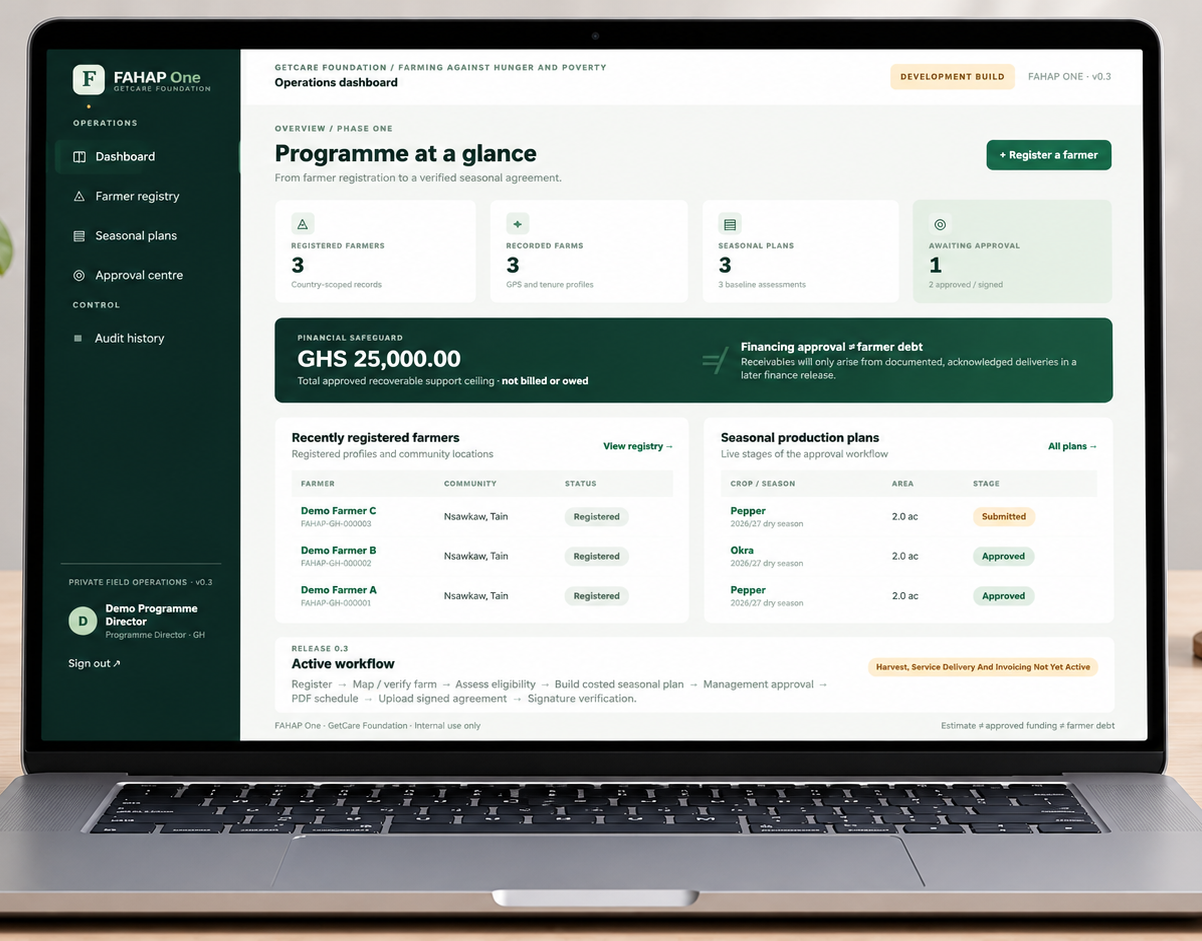
Understand producer needs, plot characteristics, water availability and eligibility for specific seasonal services.
Agree crop plans, farmer contributions and responsibilities; coordinate agronomic support, services and monitoring.
Manage quality and harvest readiness, coordinate aggregation and work toward responsible market relationships.
Document outputs, costs, lessons and verified outcomes to strengthen future seasons and investment cases.
FAHAP has engaged multiple agricultural value chains, producer networks and field services across Ghana. The programme is designed to scale across West Africa through strategic partnerships, coordinated field delivery and evidence-led decisions.
Launched in 2024, FAHAP’s strategic ambition is to support 400,000 farmers by 2030.
Explore GetCare's operating geography ↗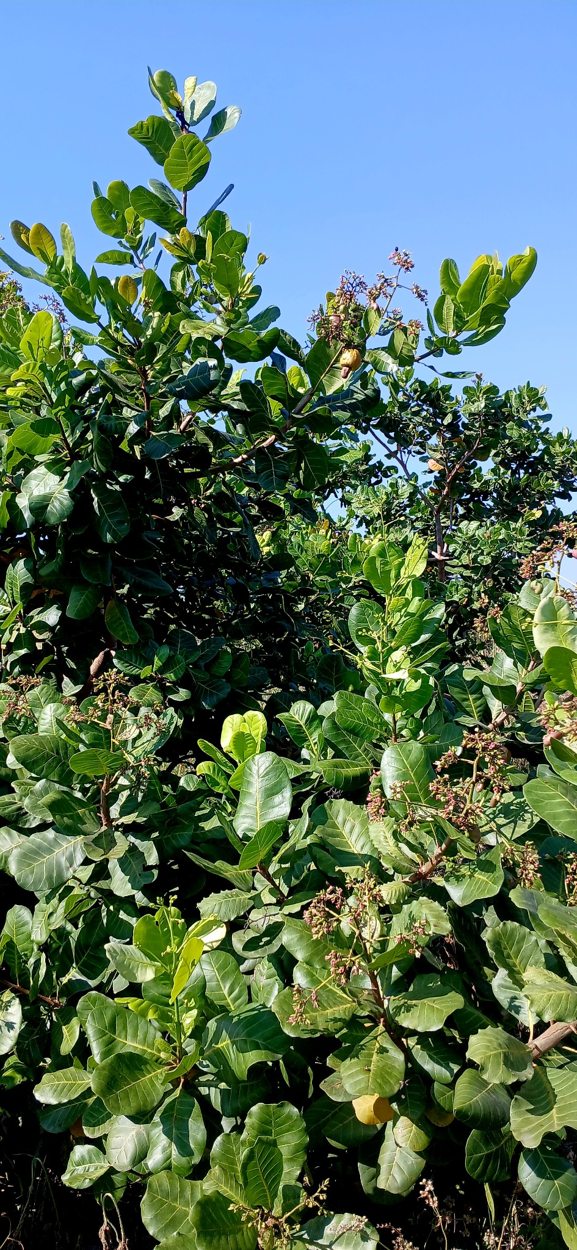
We welcome technical institutions, farmer organisations, commercial buyers, service providers, responsible financiers and public agencies interested in scalable agricultural delivery and credible local economic development.